
In Part 1, we explored why playtest sign-ups are the new north star for studios looking beyond wishlists. But a sign-up is only the first step.
Getting players through the door is one thing. Getting them to stay, play, and come back is what separates a curious audience from a committed community.
This second part of Signals of Success dives into the next essential early metric: playtest retention. That means how long players stay engaged with your playtest after that first session, and what their behavior reveals about your game’s health long before launch day.
The Real Measure of Engagement
Playtest retention tells you how sticky your game really is.
It’s the heartbeat behind your early community, the difference between a momentary spark and sustained excitement. The most reliable indicators vary. It’s a blend of quantitative and qualitative signals that reveal whether players are returning, exploring, and emotionally investing.
Key retention metrics include:
1. Retention Rate
Retention rate tells you one thing: do players come back? How you measure it depends on how your playtest runs and how often players can actually re-engage.
If your build is available daily, you can measure daily retention over a 30-day period. In that context, the familiar Day 7 and Day 30 metrics offer precision and help you understand how quickly interest settles once the novelty fades.
If your build is not designed for daily play, or if you're testing early PC/console content with limited replay ability, weekly retention is usually far more realistic and useful. Comparing Week 1 vs Week 4 retention reveals whether players still see value in returning as your playtest progresses without assuming players will return daily.
Sometimes, retention can’t tell you much at all. For highly story-driven playtests, where players are evaluating narrative, characters, or interaction flow, the content simply isn’t replayable by design. In those situations, completion rate and session length are far better indicators of engagement than daily or weekly curves.
Not every playtest will run for 30 days, sometimes not even seven. But the spirit of retention rate still holds: you’re ultimately looking for how many players come back once the novelty wears off, whether over days or weeks.
Why it matters
Healthy early retention curves suggest your core loop is resonating, even in rough builds. A smooth taper indicates players are finding a rhythm. Sudden early cliffs can point to onboarding friction, unclear progression, or mismatched player expectations. These are exactly the issues playtests are designed to surface.
2. Session Frequency and Duration
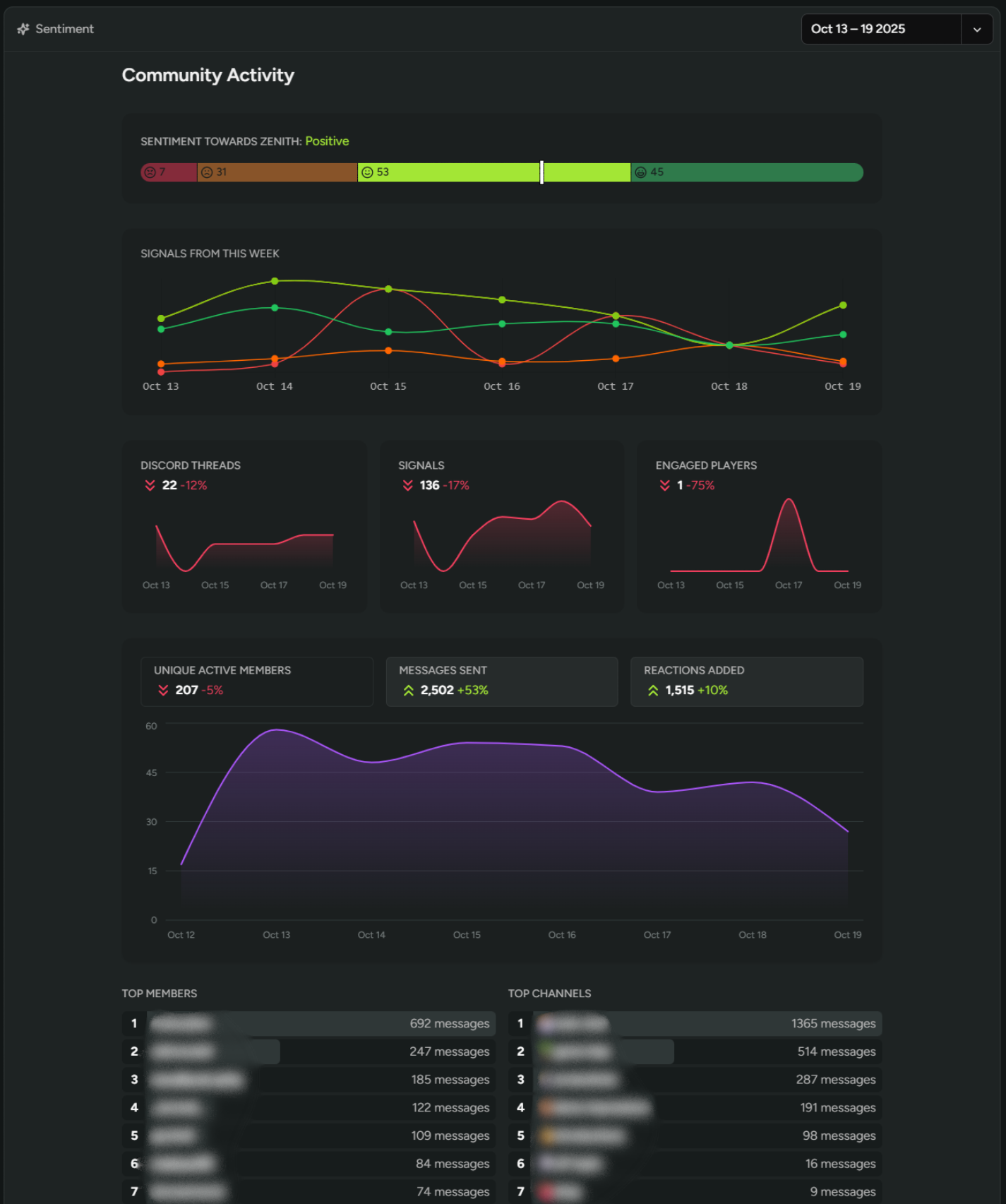
Frequency tells you how often players are coming back; duration tells you how deep they’re going.
If players are returning multiple times a week, even for shorter bursts, you’ve likely nailed your loop cadence. If sessions are long but infrequent, they might be intrigued but not yet sold.
Why it matters
Together, these metrics reveal whether your content is compelling enough to sustain engagement, or if friction points are pushing players away. Both offer a clearer picture of whether players are building a routine around your game.

3. Mission Completion Rate
Every mission or objective is a checkpoint in a player’s journey. Completion rate shows how far players go and where they stop.
A high drop-off on specific missions can pinpoint balancing issues, unclear objectives, or fatigue moments. If players consistently drop during the first crafting tutorial, for example, that may signal UI friction rather than lack of interest.
On the other hand, high completion rates across multiple sessions often align with strong narrative hooks or satisfying progression systems.
Think of completion rate as the connective tissue between design intent and player behavior.
Why it matters
Completion data reveals where players feel friction or loss of momentum, helping pinpoint exactly where the experience needs refinement.
4. Survey Feedback Quality and Completion Rate
While numbers show what’s happening, surveys reveal another layer. It tells you the ‘why.’
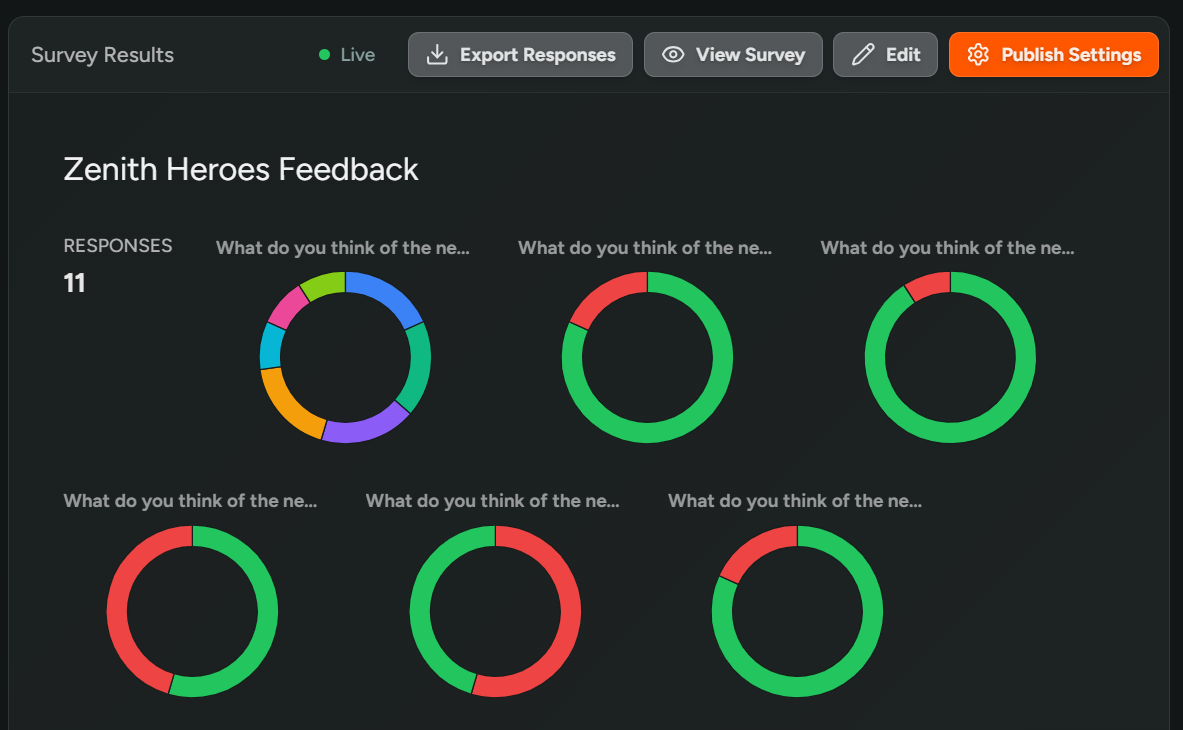
The quality and completeness of playtest feedback often mirrors player investment. If players are taking time to share thoughtful opinions or fully complete surveys, they’re emotionally engaged in your game’s success. Low response rates or vague answers can indicate weak attachment or friction in your communication flow.
Pairing behavioral data with player sentiment creates a 3D view of your retention story: what they did, how they felt, and why they’ll return.
Why it matters
Thoughtful, complete survey responses usually come from the players who stuck around long enough to form meaningful opinions. They are most likely to become advocates or signal deeper issues.
Metrics and Momentum
Tracking these retention metrics builds a dashboard to help you read the signals that predict community growth and long-term success.
Studios that monitor D7/D30 retention, W1/W4 retention, session behavior, mission progression, and feedback quality early can:
- •Identify core loop strength before full-scale production
- •Refine pacing and difficulty curves through real behavior, not assumptions
- •Spot high-value players most likely to become early advocates
- •Validate marketing promises against in-game reality
When you align retention insights with your playtest funnel, you’re watching loyalty take shape.
Case Study: Astro Burn
Solo developer HaZ Dulull - whose career spans VFX on The Dark Knight, indie sci-fi films like The Beyond, and cinematics for DUNE: Awakening – turned to FirstLook to understand how players were actually engaging with his retro sci-fi cute-em-up, Astro Burn.
For HaZ, retention signals quickly became one of the most valuable parts of early playtesting:
“Feedback from someone who played for two minutes vs someone who played for an hour are two very different signals – and FirstLook makes that visible.”
By pairing session length with sentiment, he could instantly tell which feedback came from deeply invested players versus first-impression drive-bys. This helped him prioritise which insights to act on, refine his onboarding, and identify friction points hidden inside early missions.
Astro Burn’s journey shows how clear retention signals can help even a solo developer make sharper decisions, faster.

The Bottom Line
Playtest sign-ups show intent. Playtest retention shows impact.
Together, they form the most powerful early-growth duo a modern studio can track – helping you parse through the general interest to find who’s invested.
If retention shows how long players stay, community shows why they stay.
In Signals of Success (Part 3), we’ll explore the next layer of engagement: your Discord ecosystem. How the number of members, the rise of fan-created servers, message volume, sentiment, and user retention reveal the heartbeat of your game’s most passionate advocates.
Because when your Discord starts talking, your community is ready to build with you!