
For years, Steam Wishlists have been the north star of pre-launch marketing – a shorthand signal that a game is building buzz. But that signal has weakened.
Oversaturation, Early Access fatigue, and a string of disappointing launches have eroded trust. Players are wishlisting dozens of games they’ll never revisit and developers are realizing more and more that they’re a passive signal. They’re too low stakes – it costs nothing, doesn’t measure enthusiasm, and disappears into the noise.
Studios today need sharper, more reliable indicators of engagement. This is Signals of Success, a new series exploring the modern metrics that actually move the needle.
In this first edition, we’ll be discussing playtest sign-ups and exploring why they mean more than wishlists.
From Curiosity to Commitment
A wishlist is passive; a playtest sign-up is active intent.
A wishlist takes a single click. A playtest sign-up asks for more: time, information, and often participation. One is swiping right, the other is setting up the date.
That added friction filters out casual interest and surfaces players who genuinely want to be involved.
It’s often the first handshake between developer and player – an open invitation to collaborate, give feedback, and shape what’s next.
Modern players want to be involved in a studio's journey. When you invite them to playtest, you’re giving them that chance.
When players get involved, studios see the results:
- •Early playtest campaigns often see conversion rates higher than wishlist-to-sale ratios.
- •Players who sign up are significantly more likely to join Discord communities, follow social channels, and share updates with friends.
- •They become emotionally invested before they’ve even played – turning curiosity into early advocacy and helping your community grow long before launch.
Pros and Cons of Sign-Ups
Even before the testing begins, sign-ups themselves allow studios to capture a wealth of data and knowledge.
The Benefits
- •Deeper data: Each sign-up captures actionable info: demographics, geography, referral source, platform preference, device breakdown.
- •Built-in virality: Prospective playtesters invite friends. A structured referral or “bring-a-friend” system can organically grow your audience by 10-25%.
- •Community signals: Tracking sign-ups helps you identify the most engaged segment likely to join your Discord, post feedback, and evangelize your game.
Potential Drawbacks
- •Engagement drop-off: Not all sign-ups translate to active testers. Friction in onboarding or lack of follow-up can kill momentum.
- •Complex setup: Manual forms, NDAs, and spreadsheet chaos can make early programs hard to manage without proper tooling.
- •Resource allocation: Running a sign-up program can divert resources from other KPIs or marketing efforts if not automated.
Sign-ups are powerful, but they need infrastructure – seamless onboarding, automated communication, and clear CTAs – to truly shine. With the right setup, you can turn those potential pitfalls into growth levers. Here’s how to maximize playtest sign-ups and make every click count.
How to Maximize Playtest Sign-Ups
These steps can help create a frictionless experience and clear value proposition.
1. Integrate Seamlessly
Embed sign-up flows directly through Discord, Steam, or your website. Avoid long forms or multiple verification steps.
2. Make It Benefit-Driven
Replace vague CTAs like “Sign up for updates” with stronger invitations such as “Join the Playtest,” “Become a Founding Player,” or “Play early, shape the game.”
3. Follow Up Immediately
Send a welcome email or DM within minutes. Reinforce excitement with exclusive content like concept art, behind-the-scenes updates, or Discord access.
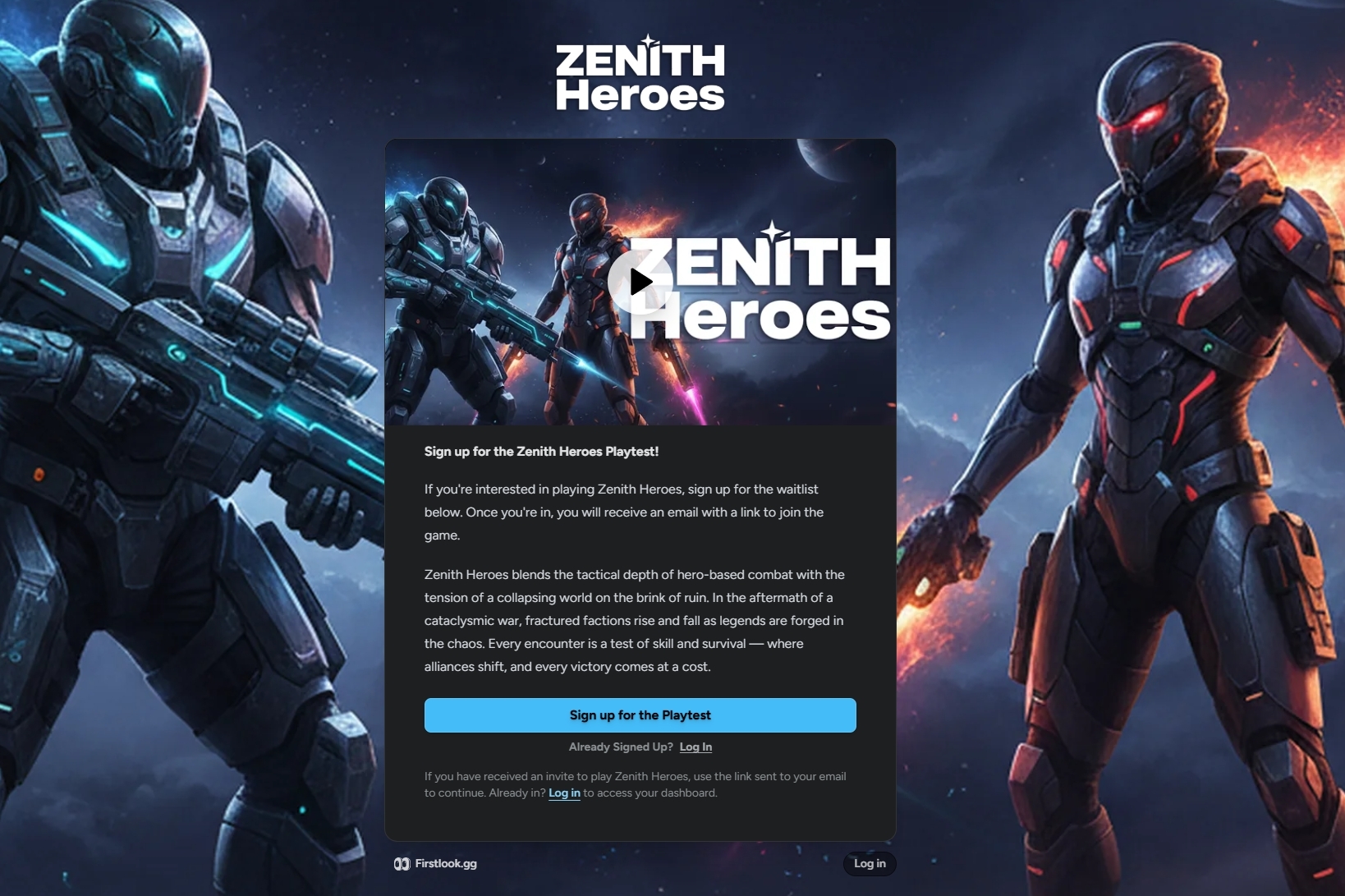
Publishers like Skybound have seen strong engagement with playtest sign-ups for titles like Invincible VS, using streamlined funnels that guide players from discovery to registration.

The Three Dimensions of a Sign-Up
Once your sign-up flow is humming, the next question is: what do those sign-ups actually mean? The number alone won’t give you a full picture. It's in extracting each ounce of information from the data where the insight comes from. That’s where the three dimensions of a sign-up come in.
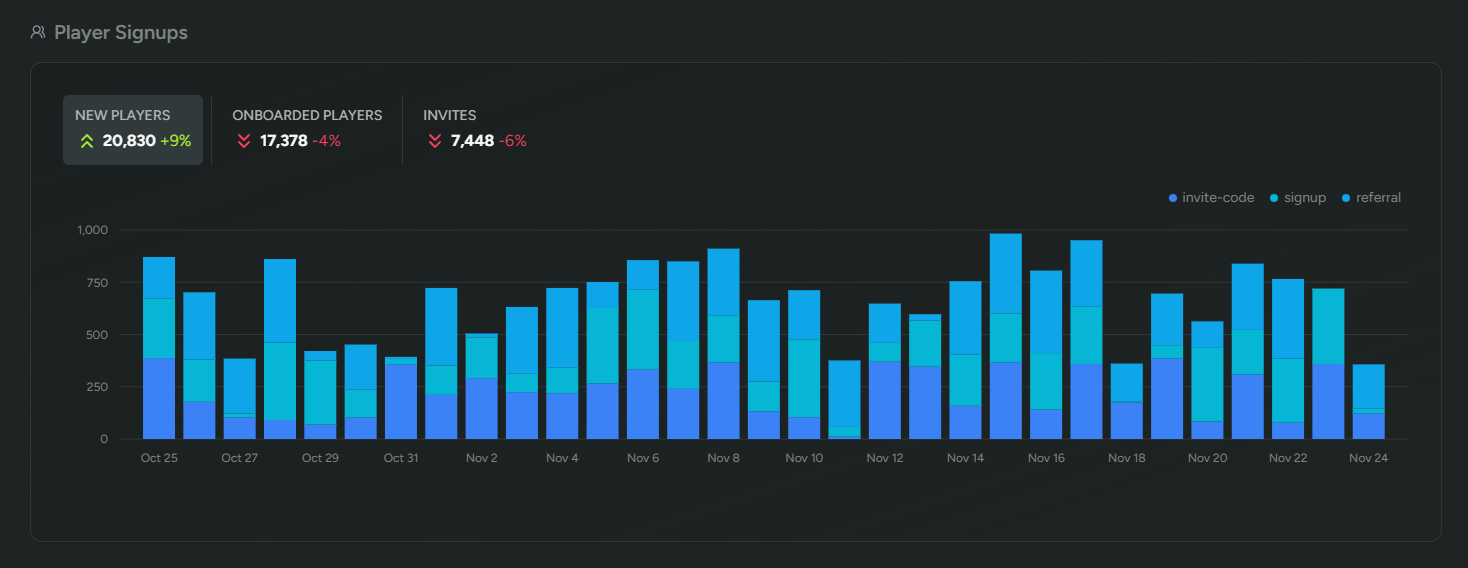
1. Total Unique Sign-Ups
This is your baseline for awareness, showing how many people are willing to invest both interest and effort.
Track trends over time and differentiate them from spikes to understand the rhythm of your marketing and when your message resonates most.
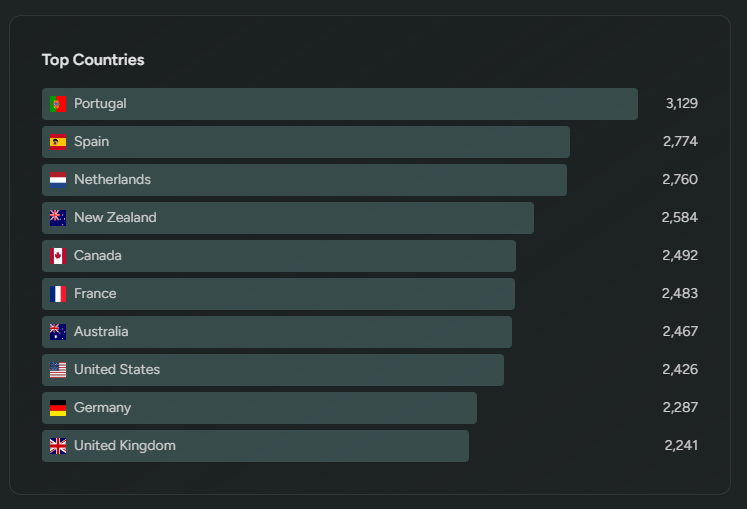
2. Geography of Sign-Ups
Knowing where players are coming from informs localization, social media timing, and influencer strategy.
Developers who spotted unexpected traction in markets like Brazil or Poland can pivot their marketing accordingly.
3. Source of Sign-Ups
Referral data tells you which channels convert best – whether it’s a specific creator’s shout-out, a Discord campaign, or an organic Reddit thread.
This is your K-factor. A well-instrumented sign-up funnel helps you double down where the energy is real.
Turning Insight into Action
Studios that treat playtest sign-ups as an active intelligence stream unlock so many powerful advantages.
By centralizing player data early, you can:
- •Analyze audience composition: Who’s signing up, where they’re located, and how they found you.
- •Identify channel efficiency: Double down on the campaigns driving high-quality participants.
- •Forecast operational needs: Use sign-up velocity to predict server load, marketing spend, or community moderation demand.
- •Tailor engagement: Group players by region, device, or source to deliver personalized updates and localized content.
The Bottom Line
Wishlists still matter, but playtest sign-ups tell a stronger story. They represent players who are actively participating.
Treat sign-ups as a core growth metric, and you’ll build stronger communities, smarter roadmaps, and more confident launches.
Next up in Signals of Success (Part 2): Playtest Retention. You’ve gotten them to sign-up, now learn how to keep those early players engaged and excited.