
In Part 1, we explored why playtest sign-ups are one of the strongest early indicators of intent. In Part 2, we broke down how retention reveals depth and shows who stays, who drifts, and why.
Now we turn to the third signal: Discord.
Why Discord Matters
Discord matters because this is where your relationship with players actually lives today.
It’s where studios listen, respond, and build trust in real time. For games especially, Discord has become the default place where community happens. Older options like Facebook groups have faded, and channels like email just aren’t built for ongoing, two-way conversation with an active player base. Discord is.
Its tooling: bots, moderation, roles, events etc. these makes it possible to build and sustain a community at scale. But the real value goes deeper than features.
Discord shows you why players stay.
It gives teams a direct line into what excites players, what frustrates them, and what keeps them coming back between updates. Years ago, studios tried to get this kind of insight by flying players in for playtests and feedback sessions. That worked—but it was expensive, limited by geography, and short-lived. Discord keeps the conversation going, which means listening compounds over time.
Ongoing conversation helps studios understand who their audience really is. It shapes how a game should be positioned, which messages resonate, and which parts of the experience matter most to players. Instead of guessing or reacting late, teams can make clearer decisions earlier, grounded in how players are actually responding.
Today, Discord is your studio’s live pulse. It’s where conversations happen, relationships form, and early community momentum takes shape. When your Discord is healthy, it reveals signals that dashboards often miss—not just what players are doing, but how they feel about it.
Converting Your Discord From Server to Signal
Every Discord server starts as potential energy.
What turns it into a real signal is the moment players begin building culture of their own, inside jokes, recurring conversations, familiar names, emerging leaders, and a genuine sense of “this is our place.” Creating that hangout feeling is key.
Discord captures players in unfiltered conversation. You see what they talk about when no one prompts them. You catch snapshots of excitement, confusion, frustration, and delight as they happen. Over time, patterns emerge: factions form, opinions clash, moderators step up, and community anchors appear.
In healthy ecosystems, that energy doesn’t stay contained to a single server.
Fan-run Discords often pop up alongside the official one. Rather than viewing this as a loss of control, studios can treat it as a sign of deeper investment. Players are building spaces around your game because it matters to them.
The Discord bot ecosystem makes it possible for studios to show up in these fan-led spaces without taking them over. Official updates, events, and integrations can reach players where they already spend time. From the player’s perspective, they get to stay with their people while still connecting to the studio. Many fan-made bots already surface stats, recent matches, or updates, official integrations can complement these to support engagement across multiple servers.
Using Core Fans to Grow Your Community
One of the most effective ways to grow a Discord community is by leaning into your core fans.
Giveaways, contests, and quests can activate early adopters, encouraging them to invite friends, jump into conversations, and help welcome newcomers. When done thoughtfully, these tactics create a sense of ownership and belonging that scales naturally.
This is where tools like FirstLook can help. By integrating these activities directly into your workflow, studios can turn small groups of highly engaged fans into a thriving, self-sustaining ecosystem, without forcing growth or burning out the team.
Growth That Means Something
Large, active Discord communities offer valuable insight into how players engage with each other and with the studio.
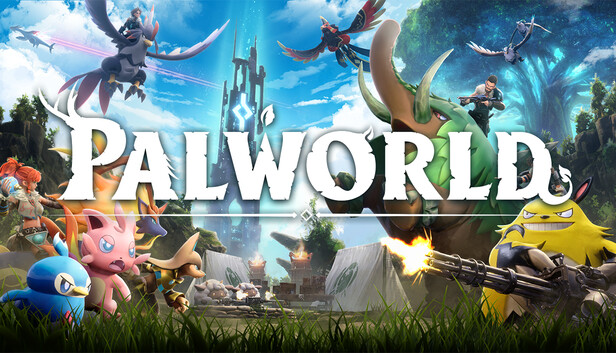
Communities like Marvel Rivals and Palworld show how official Discord servers can support mentorship, discussion around early builds, and continuous feedback loops. That said, community size alone isn’t a guarantee of commercial success. Discord activity is a signal of engagement, not a promise of performance.
What it does offer is clarity, if you know how to read it.
The Shape of Your Community
The rhythm of conversation inside Discord often says more than any single metric.
A server full of questions usually points to onboarding friction. Long debate threads signal emotional investment. Channels filled with fan art or memes hint at an emerging identity or fandom. When side channels thrive without staff involvement, it’s often a sign that the community is starting to sustain itself.
Fan-created Discords amplify this signal even further. They might center on specific playstyles, regions, competitive modes, lore deep-dives, or content creation. This kind of organic expansion grows the community without requiring constant studio oversight.
For narrative-first teams like New Tales with Fading Echo, Discord became an early feedback surface for emotional tone. Players gravitated toward certain characters, debated story interpretations, and surfaced UI and readability issues the team hadn’t anticipated. Sentiment from Discord helped refine pacing and clarity far earlier than traditional playtest surveys would have allowed.